Thymol
The primary olfactory and tactile irritant, with a long history of aromatic use.

Technology · MED 017
MED 017 is an advanced insect-repellent platform built from green active ingredients. It changes pest behavior instead of relying on lethal chemistry.
 Low resistance pressureWater basedPollinator conscious
The formulation
Scientifically validated, flavor-derived ingredients are combined to repel a broad vector of harmful insects while preserving vital biodiversity.
The primary olfactory and tactile irritant, with a long history of aromatic use.
A flavor-derived aromatic aldehyde within the protected active system.
A complementary component supporting the repellent formulation.
The practical carrier that makes adoption familiar and scalable.
Mechanism
Thymol and complementary green actives engage olfactory and tactile pathways insects use to locate a host.
The formulation creates an environment pests avoid rather than a lethal exposure that selects survivors.
A water-based concentrate integrates with established tank-mix, spray and IPM routines.
Non-lethal control preserves residual insect populations that support pollinators and food chains.
A different profile
MED 017 is designed to complement existing pest management while reducing the operational and ecological friction associated with lethal chemistry.
Validation
In the supplied stable-cattle study, treated-group tick counts diverged from the control after day three and continued downward through day fourteen.
Source noted in the management presentation: Sustainable Science Vet preclinical efficacy study; principal investigator Dr. Rafael Paranhos de Mendonça.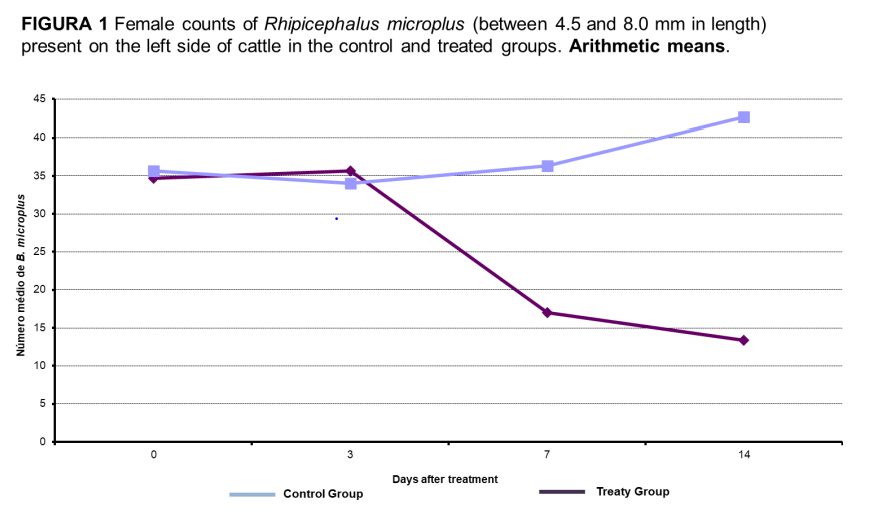
Intellectual property
Product claims, indications and development milestones reflect the supplied management materials and remain subject to local registration, label and regulatory requirements.